
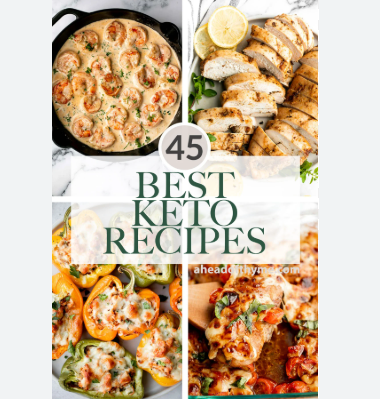
Keto Recipes:
If you want to eat fewer carbohydrates and enjoy tasty meals, keto recipes are a great choice. The keto diet focuses on foods that are high in healthy fats, moderate in protein, and very low in carbohydrates. Many people follow this eating plan to keto recipes support weight management, maintain steady energy levels, and reduce their intake of sugary foods.
The good news is that keto meals do not have to be boring or difficult to make. With the right ingredients, you keto recipes can prepare delicious breakfasts, lunches, dinners, and snacks that the whole family can enjoy.
What Is a Keto Recipes?
A keto diet, also called a ketogenic keto recipes diet, is a low-carb eating plan. Instead of getting energy mainly from carbohydrates, the body uses fat as its primary fuel source. This is called ketosis.
People on a keto diet usually avoid foods like bread, pasta, rice, sugary drinks, and sweets. Instead, they choose keto recipes foods such as meat, eggs, cheese, fish, healthy oils, nuts, seeds, and low-carb vegetables.
Benefits of Keto Recipes
Many people enjoy keto recipes because they are filling and easy to prepare. Some possible benefits include:
- Low in carbohydrates
- Rich in healthy fats
- Good source of protein
- May help reduce sugar cravings
- Can help you feel full for longer
- Easy to prepare with simple ingredients
A balanced keto meal can also keto recipes include plenty of colorful vegetables for added vitamins and minerals.
Easy Keto Recipes to Try
- Cheesy Scrambled Eggs
Scrambled eggs are one of the keto recipes easiest keto breakfasts. Cook eggs in butter and add shredded cheese. You can also include spinach or mushrooms for extra flavor.
Serve with sliced avocado for a complete meal.
- Grilled Chicken Salad
Grilled chicken with fresh keto recipes lettuce, cucumber, tomatoes, cheese, and olive oil dressing makes a healthy keto lunch.
You can also add olives or avocado to increase healthy fat.
- Garlic Butter Salmon
Cook salmon in butter with keto recipes garlic and fresh herbs. Serve it with steamed broccoli or asparagus for a simple and nutritious dinner.
This meal is rich in protein and healthy fats.
- Cauliflower Fried Rice
Replace regular rice with grated keto recipes cauliflower. Cook it with eggs, garlic, onions, and your favorite vegetables. Add cooked chicken or shrimp for extra protein.
It tastes similar to fried rice but contains far fewer carbohydrates.
- Lettuce Wrap Burgers
Skip the burger bun and wrap a keto recipes juicy beef patty in large lettuce leaves. Add cheese, tomato, pickles, onions, and your favorite low-carb sauce.
This recipe is filling without adding extra carbs.
Healthy Keto Recipes Snacks
Snacking is easy on a keto keto recipes diet when you choose low-carb foods.
Popular keto snacks include:
- Cheese cubes
- Boiled eggs
- Almonds
- Walnuts
- Celery with cream cheese
- Cucumber slices
- Olives
- Avocado slices
These snacks help satisfy hunger between meals.
Foods to Eat on a Keto Recipes Diet
Many delicious foods fit into keto recipes.
Some of the best choices are:
- Beef
- Chicken
- Turkey
- Fish
- Eggs
- Cheese
- Butter
- Olive oil
- Coconut oil
- Spinach
- Broccoli
- Cauliflower
- Zucchini
- Bell peppers
- Avocados
- Nuts and seeds
- ALSO READ;https://weblibrarys.com/cod-recipes-easy-healthy-and-delicious-meals-for-every-family/
These foods provide important keto recipes nutrients while keeping carbohydrate intake low.
Foods to Avoid Keto Recipes
To stay on track with a keto recipes lifestyle, limit foods that are high in carbohydrates.
These include:
- Bread
- Rice
- Pasta
- Potatoes
- Sugary drinks
- Candy
- Cakes
- Cookies
- Ice cream
- Breakfast cereals
Reading food labels can help keto recipes you choose products with fewer carbohydrates.
Tips for Making Better Keto Recipes
Preparing tasty keto meals is keto recipes simple with a few helpful tips.
- Use fresh ingredients whenever possible.
- Cook with healthy oils like olive oil or butter.
- Add herbs and spices for more flavor.
- Include plenty of low-carb vegetables.
- Plan your meals before shopping.
Meal planning can save time keto recipes and make it easier to stick to your eating goals.
Why People Love Keto Recipes
Keto recipes are popular because they are satisfying and full of flavor. Many meals are simple to prepare and use ingredients that are easy to find in local grocery stores.
There are endless ways to enjoy keto foods. You can prepare grilled meats, seafood, fresh salads, vegetable keto recipes casseroles, soups, and even low-carb desserts. This variety helps keep meals interesting and enjoyable.
Conclusion
There are many delicious keto recipes that make healthy eating simple and enjoyable. Whether you prepare cheesy eggs for breakfast, grilled chicken salad for lunch, or garlic butter salmon for dinner, keto meals can be both satisfying and nutritious. By choosing keto recipes fresh ingredients and limiting carbohydrates, you can create flavorful dishes that fit your lifestyle. Start with easy recipes and discover how enjoyable low-carb cooking can be.
Frequently Asked Questions (FAQs)
- What are keto recipes?
Keto recipes are meals made with low-carbohydrate ingredients and higher amounts of healthy fats and protein to fit a ketogenic eating plan.
- Can beginners follow keto recipes?
Yes. Many keto recipes are simple, use common ingredients, and are easy for beginners to prepare.
- What vegetables are best for keto?
Low-carb vegetables like spinach, broccoli, cauliflower, zucchini, cabbage, asparagus, and bell peppers are excellent choices.
- Can I eat fruit on a keto diet?
Some fruits are high in sugar, so they should be limited. Small amounts of berries are often included because they are lower in carbohydrates than many other fruits.
- Are keto recipes good for meal prep?
Yes. Many keto meals can be prepared ahead of time, stored in the refrigerator, and reheated for quick lunches or dinners during the week.