
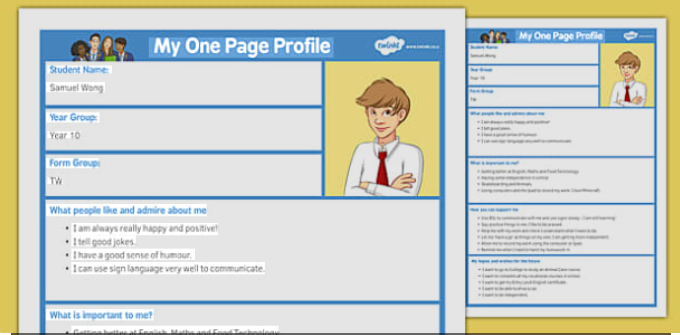
Student Profile:
A student profile is a short description that shows important information about a student. It usually includes details like the student’s name, academic achievements, skills, interests, and goals. Schools, colleges, and online learning platforms often use student profiles to understand students better.
In simple words, a student profile is like a personal introduction for a student. It helps teachers, institutions, and even future employers learn about the student’s background and abilities.
In this article, you will learn what a student profile is, why it is important, what it includes, and how to create a strong student profile.
What Is a Student Profile?
A student profile is a summary of a student’s academic and personal information. It gives a clear overview of who the student is and what they have achieved.
A good student profile may include:
- Personal details
- Education history
- Skills and strengths
- Achievements and awards
- Interests and hobbies
- Future goals
Student profiles are often used in school records, college applications, scholarships, and online learning platforms.
Why a Student Profile Is Important
A well-written student profile can help students in many ways.
Helps Teachers Understand Students.
Teachers can learn about a student’s abilities, learning style, and interests. This helps them provide better support.
Useful for College Applications
Many universities review student profiles to understand the applicant beyond grades and exam scores.
Shows Skills and Achievements
A student profile highlights talents, achievements, and special skills.
Builds Confidence
Writing a profile encourages students to reflect on their strengths and goals.
What Should Be Included in a Student Profile
A good student profile should include clear and useful information. Below are the most common sections.
1. Personal Information
This section includes basic details such as the following:
- Name
- Age
- School name
- Grade or class
This helps identify the student.
2. Academic Background
This section explains the student’s education history.
Examples include:
- Current school
- Favorite subjects
- Academic performance
3. Skills and Strengths
Every student has unique skills. These may include:
- Communication skills
- Leadership abilities
- Creativity
- Problem-solving skills
Mentioning these strengths helps show the student’s potential.
4. Achievements and Awards
Achievements are important in a student profile.
Examples:
- Academic awards
- Competition wins
- Sports achievements
- Certificates
These show dedication and effort.
5. Hobbies and Interests
Hobbies tell more about a student’s personality.
Examples include:
- Reading
- Playing sports
- Music or art
- Technology or coding
- ALSO READ;https://weblibrarys.com/army-webmail/
Schools often value students who are active in different areas.
6. Goals and Future Plans
Students can mention their dreams and career goals.
For example:
- Becoming a doctor
- Studying engineering
- Starting a business
This shows ambition and direction.
How to Write a Good Student Profile
Creating a student profile is simple if you follow the right steps.
Keep It Clear and Simple
Use easy words and short sentences so readers can understand the information quickly.
Highlight Strengths
Focus on achievements, skills, and positive qualities.
Be honest.
Always write truthful information. Do not exaggerate achievements.
Use Proper Structure.
Organize the profile into clear sections such as education, skills, and interests.
Update It Regularly.
As students achieve more, they should update their profile to include new accomplishments.
Example of a Simple Student Profile
Here is a basic example of a student profile:
Name: SULIMAN KAMAL
Grade: 10th Grade
School: ABC High School
Ali Ahmed is a hardworking student who enjoys learning science and mathematics. He has won several school competitions in science quizzes and mathematics contests.
He is also interested in playing football and reading books about technology. Ali hopes to become a software engineer in the future and contribute to developing innovative technology solutions.
This type of profile gives a clear and short introduction to the student.
Tips to Improve a Student Profile
Here are some useful tips for creating a strong student profile.
- Use simple and clear language
- Mention achievements with examples
- Include both academic and personal interests
- Keep the profile well-organized
- Proofread to remove mistakes
A well-written profile creates a positive impression.
Where Student Profiles Are Used
Student profiles are used in many places.
Schools
Schools keep student profiles to track academic progress.
Colleges and Universities
Admissions teams review profiles to understand applicants.
Scholarships
Organizations use student profiles to select scholarship candidates.
Online Learning Platforms
Education websites use profiles to personalize learning experiences.
FAQs
- What is a student profile?
A student profile is a summary that includes information about a student’s education, skills, achievements, and interests.
- Why is a student profile important?
It helps teachers, schools, and colleges understand a student’s abilities and background.
- What information should a student profile include?
It should include personal details, education history, skills, achievements, hobbies, and future goals.
- How long should a student profile be?
A student profile should be clear and concise. Usually, one or two short paragraphs are enough.
- Can students update their profiles?
Yes, students should update their profiles regularly as they achieve new goals or develop new skills.
Conclusion
A student profile is an important tool that shows a student’s identity, achievements, and goals. It helps teachers, schools, and colleges understand students better and support their learning journey.