
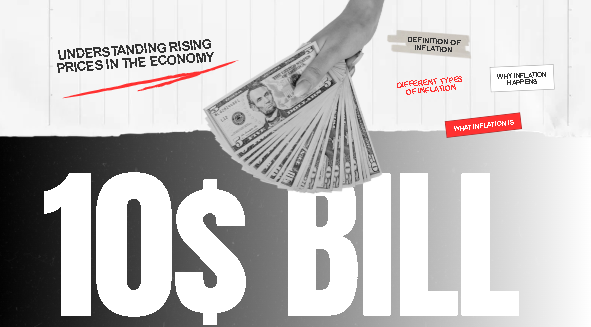
The 10 dollar bill is one of the most commonly used banknotes in the United States. It is used every day for shopping, transportation, dining, and many other payments. Although it is a regular part of daily life, many people do not know the interesting history, security features, and facts behind this currency.
Whether you are a collector, a traveler, or simply curious about U.S. money, learning about the 10 dollar bill can help you understand its importance. This guide explains everything in simple English, including its design, value, security features, and frequently asked questions.
What is the 10 dollar bill?
The 10 dollar bill is a paper currency issued by the United States government through the Federal Reserve system. It has a face value of ten U.S. dollars and is accepted throughout the country for all legal transactions.
A 10 dollar bill is one of the most circulated denominations in the U.S., making it an important part of the American economy.
Also Read : Vacuum technologies
Who is on the 10 Dollar Bill?
The front of the 10 dollar bill features Alexander Hamilton, the first secretary of the treasury of the United States.
Hamilton played a major role in building the country’s financial system. Although he was never a U.S. president, his contributions to the nation’s economy earned him a place on the ten-dollar note.
The back of the 10 dollar bill displays the U.S. Treasury Building, representing the country’s financial strength and stability.
History of the 10 Dollar Bill
The history of the 10 dollar bill goes back to the 1800s. Over the years, its design has changed several times to improve appearance and security.
Earlier versions looked very different from today’s note. Modern redesigns introduced better printing technology and advanced security features to reduce counterfeiting while keeping the bill easy to recognize.
Even though its design has evolved, Alexander Hamilton has remained the face of the 10 dollar bill for many years.
Security Features of the 10 dollar bill
Modern U.S. currency includes several security features that help protect against fake 10 dollar bills and fake money.
Some important security features include:
-
A security thread that glows under ultraviolet light.
-
Color-shifting ink that changes color when tilted.
-
Watermarks visible when held up to light.
-
Fine-line printing that is difficult to copy.
-
Raised printing that can be felt by touch.
-
Unique serial numbers printed on every bill.
These features make it easier for 10 dollar bill businesses and individuals to identify genuine currency.
Size and Appearance 10 dollar bill
The 10 dollar bill has the same size as all current U.S. paper money.
It includes:
-
Portrait of Alexander Hamilton on the front.
-
U.S. Treasury Building on the back.
-
Green and black printing with additional background colors.
-
Federal Reserve seal and Treasury seal.
-
Serial numbers for identification.
Its modern design is both attractive and functional.
Is the $10 Bill Valuable to Collectors?
Most 10 dollar bills are worth exactly ten dollars. However, some rare notes can be worth much more.
Collectors often look for:
-
Rare serial numbers.
-
Star notes.
-
Printing errors.
-
Older editions.
-
Uncirculated condition.
-
Low production runs.
A rare or perfectly preserved bill may sell for several times its face value in the collector’s market.
How to Tell If a10 dollar bill is Real
Checking a 10 dollar bill is simple if you know what to look for.
Hold the bill up to the light to see the watermark and security thread. Tilt it to observe the color-changing ink. Feel the texture of the raised printing, and inspect the serial numbers and fine details.
If something looks unusual, compare it with another genuine 10 dollar bill or have it checked by a bank.
Common Uses of the 10 dollar bill
The 10 dollar bill is popular because it is practical for everyday purchases.
People commonly use it for:
-
Buying food and drinks.
-
Paying taxi or bus fares.
-
Shopping at local stores.
-
Small business transactions.
-
Giving gifts or tips.
-
Everyday cash payments.
Its convenient value makes it one of the most useful denominations in circulation.
Interesting Facts About the $10 Bill
Here are some fun facts about the 10 dollar bill:
-
Alexander Hamilton was not a U.S. president.
-
The bill features the U.S. Treasury Building on the reverse side.
-
Every bill has a unique serial number.
-
Modern bills include advanced anti-counterfeiting technology.
-
Millions of ten-dollar bills circulate across the United States every year.
These facts make the 10 dollar bill more interesting than many people realize.
Tips for Keeping Your 10 dollar bill in Good Condition
If you collect or regularly use cash, keeping 10 dollar bills in good condition is helpful.
Store them in a dry place, avoid folding them unnecessarily, keep them away from moisture, and never write on them. Collectors often use protective currency sleeves to preserve older or valuable notes.
Conclusion
The 10 dollar bill is more than just everyday currency. It represents an important part of American history and the country’s financial system. Featuring Alexander Hamilton and protected by modern security technology, it combines history with practical use.
Whether you spend it, save it, or collect it, understanding the design, history, and features of the 10 dollar bill gives you a greater appreciation for one of America’s most recognized banknotes.
FAQs
1. Who is on the 10 dollar bill?
Alexander Hamilton, the first U.S. Secretary of the Treasury.
2. What building appears on the back of the 10 dollar bill?
The U.S. Treasury Building.
3. Is a 10 dollar bill always worth only ten dollars?
Most are worth their face value, but rare editions, error notes, and collectible bills can be worth much more.
4. How can I identify a genuine 10 dollar bill?
Check the watermark, security thread, color-shifting ink, raised printing, and serial numbers.
5. Can I still use older 10 dollar bills?
Yes. Older U.S. ten-dollar bills remain legal tender as long as they are genuine.
6. Why is Alexander Hamilton on the 10 dollar bill?
He established the foundation of the U.S. financial system and served as the nation’s first secretary of the treasury.