
Vacuum Technologies:
Vacuum technologies are an essential part of modern science, engineering, and industrial manufacturing. A vacuum is a space where the pressure is significantly lower than atmospheric pressure due to the removal of air and other gases. Vacuum technology involves the equipment, techniques, and processes used to create, maintain, and utilize these low-pressure environments. Today, vacuum systems play a critical role in industries ranging from semiconductor manufacturing and healthcare to aerospace, food packaging, and renewable energy. As technology continues to advance, vacuum systems are becoming more efficient, environmentally friendly, and indispensable in high-precision applications.
What Is Vacuum Technology?
Vacuum technology refers to the science and engineering of producing controlled low-pressure environments by removing gases from a sealed chamber. The level of vacuum is measured in terms of pressure, with lower pressure indicating a stronger vacuum. Different applications require different vacuum levels, from rough vacuum for packaging to ultra-high vacuum for scientific research.
Vacuum technology systems generally consist of a vacuum chamber, vacuum pumps, pressure gauges, valves, seals, and controllers. Together, these components ensure stable operating conditions for industrial and scientific processes.
How Vacuum Systems Work
Vacuum technology systems operate by extracting air molecules from an enclosed chamber using specialized pumps. As the number of gas vacuum molecules decreases, the pressure inside the chamber drops. Once the desired vacuum level is achieved, the system maintains that pressure using valves and monitoring instruments.
The process typically includes:
- Sealing the chamber to prevent air leakage.
- Removing gases using one or more vacuum pumps.
- Monitoring pressure with vacuum gauges.
- Maintaining the required vacuum level throughout the operation.
The effectiveness of a vacuum technology system depends on proper sealing, pump efficiency, and regular maintenance.
Types of Vacuum Technologies
Several types of vacuum technologies are used depending on the required pressure level and application.
Rough Vacuum
Rough vacuum technology systems operate at relatively higher pressures and are commonly used in vacuum packaging, drying processes, and basic industrial applications. Rotary vane pumps are frequently used to generate rough vacuum conditions.
High Vacuum
High vacuum technology systems provide much lower pressure levels and are essential for scientific instruments, electron microscopes, and semiconductor fabrication. These systems often combine multiple pumping technologies for greater efficiency.
Ultra-High Vacuum (UHV)
Ultra-high vacuum technology environments contain extremely few gas molecules and are required for advanced scientific research, particle accelerators, surface analysis, and space simulation. Achieving UHV requires specialized materials, precision engineering, and advanced pumping methods.
Major Components of Vacuum Systems
A complete vacuum technology system includes several critical components that work together efficiently.
Vacuum Pumps
Vacuum pumps remove gases from the chamber. Common pump types include rotary vane pumps, diaphragm pumps, turbomolecular pumps, diffusion pumps, and cryogenic pumps. The choice depends on the required vacuum level and application.
Vacuum Chambers
Vacuum technology chambers provide sealed environments where low-pressure conditions are maintained. They are usually made from stainless steel or aluminum to minimize contamination and leakage.
Vacuum Gauges
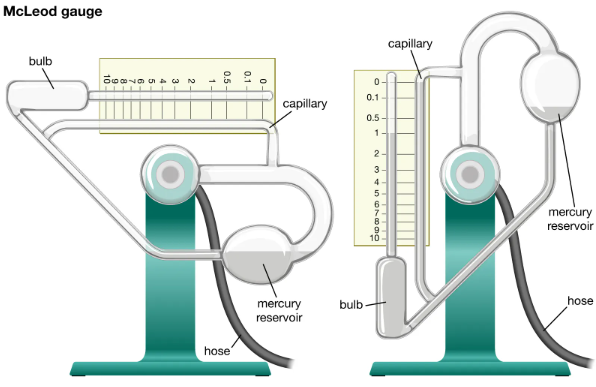
Pressure gauges continuously monitor the vacuum level, allowing operators to ensure that the system performs within specified limits.
Valves and Seals
Vacuum technology valves regulate gas flow, while seals prevent air leaks. High-quality sealing materials are essential for maintaining stable vacuum conditions.
ALSO READ;https://weblibrarys.com/domain-name-guide/
Applications of Vacuum Technologies
Vacuum technologies have transformed numerous industries by enabling precise, contamination-free processes.
Semiconductor Manufacturing
The semiconductor industry relies heavily on vacuum technology for processes such as thin-film deposition, plasma etching, and integrated circuit fabrication. Clean vacuum environments ensure high-quality electronic components.
Medical and Healthcare Industry
Hospitals and laboratories use vacuum systems in sterilization equipment, diagnostic instruments, surgical suction devices, and pharmaceutical manufacturing. Vacuum technology helps maintain hygienic conditions and improves medical precision.
Food Packaging
Vacuum packaging removes oxygen from food containers, significantly extending shelf life while preserving freshness, flavor, and nutritional quality. This technology reduces food waste and supports global food distribution.
Aerospace Industry
Vacuum chambers simulate the space environment, allowing engineers to test satellites, spacecraft, sensors, and electronic equipment before launch.
Scientific Research
Research laboratories use vacuum technology in electron microscopes, particle accelerators, mass spectrometers, and advanced physics experiments where extremely low-pressure environments are required.
Renewable Energy
Vacuum technologies support the manufacturing of solar panels, lithium-ion batteries, and advanced energy storage systems. They also improve coating quality and production efficiency.
Benefits of Vacuum Technologies
Vacuum technologies offer numerous advantages across industrial and scientific applications.
- Improved product quality through contamination-free processing.
- Increased manufacturing precision and consistency.
- Extended shelf life for packaged foods.
- Enhanced energy efficiency in many industrial operations.
- Better performance of scientific instruments.
- Reduced oxidation during manufacturing processes.
- Support for advanced medical and pharmaceutical applications.
- Greater reliability in aerospace testing and electronics production.
These benefits contribute to improved productivity, lower operational costs, and higher product reliability.
Challenges of Vacuum Technology
Despite its many advantages, vacuum technology also presents certain challenges. High-quality vacuum equipment often requires a significant initial investment. Maintaining ultra-high vacuum systems demands specialized knowledge, regular maintenance, and careful leak detection. Components such as pumps and seals require periodic replacement to ensure consistent performance. Additionally, energy consumption can become considerable in large-scale industrial systems, making efficiency improvements an ongoing priority.
Future Trends in Vacuum Technologies
The future of vacuum technology is closely linked with automation, digital monitoring, and sustainability. Smart vacuum systems equipped with sensors and artificial intelligence can predict maintenance needs, optimize energy usage, and improve operational efficiency. Manufacturers are also developing environmentally friendly vacuum pumps that require less oil and consume less power.
Emerging technologies such as quantum computing, nanotechnology, advanced semiconductor fabrication, and next-generation space exploration will further increase demand for sophisticated vacuum systems. As industries pursue higher precision and cleaner manufacturing processes, vacuum technologies will continue to evolve and expand into new applications.
Conclusion
Vacuum technologies are a cornerstone of modern industrial production, scientific research, healthcare, and advanced engineering. By creating controlled low-pressure environments, these systems enable processes that would be impossible under normal atmospheric conditions. From semiconductor manufacturing and food preservation to medical equipment and aerospace testing, vacuum technology supports innovation across countless sectors. Although challenges such as maintenance costs and energy consumption remain, continuous improvements in automation, efficiency, and sustainability are shaping the future of vacuum systems. As global industries become increasingly dependent on precision manufacturing and high-performance technologies, vacuum technologies will remain a vital driver of scientific discovery and industrial progress.