
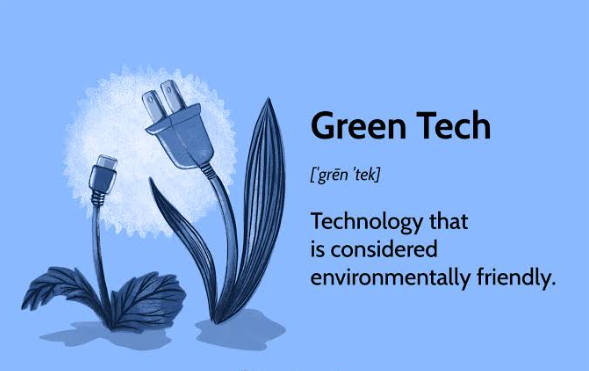
Green Technology:
Green technology is transforming the way people live, work, and protect the environment. As concerns about climate change, pollution, and resource depletion continue to grow, businesses, governments, and individuals are turning to eco-friendly technologies to reduce their environmental impact. focuses on developing products, systems, and processes that conserve natural resources, waste, and promote sustainability.
From renewable energy and electric vehicles to smart buildings and recycling innovations, is shaping a cleaner and more sustainable future. This article explores what green technology is, its benefits, applications, challenges, and why it is essential for future generations.
What Is Green Technology?
Green technology also known as refers to innovations designed to protect the environment while supporting economic growth. It aims to reduce pollution, improve energy efficiency, conserve water, and encourage the use of renewable resources.
ALSO READ;https://weblibrarys.com/smart-tvs-the-ultimate-guide-to-smarter-home-entertainment/
Unlike traditional technologies that often rely on fossil fuels and produce harmful emissions, green technology focuses on sustainable solutions that have a lower environmental impact.
Key Features of Green Technology
Renewable Energy
One of the most important aspects of green technology is the use of renewable energy sources such as solar, wind, hydroelectric, and geothermal power. These energy sources produce electricity with significantly lower carbon emissions than fossil fuels.
Energy Efficiency
Green technology energy-efficient appliances, lighting systems, and industrial equipment that consume less electricity while delivering high performance.
Waste Reduction
Many Green technology are designed to reduce waste by encouraging recycling, composting, and the reuse of materials. This helps decrease the amount of waste sent to landfills.
Sustainable Manufacturing
Manufacturers increasingly adopt environmentally friendly production methods that reduce emissions, conserve water, and Green technology the use of harmful chemicals.
Eco-Friendly Materials
Green technology promotes the use of biodegradable, recyclable, and renewable materials in construction, packaging, and consumer products.
Benefits of Green Technology
Protects the Environment
Green technology helps reduce air, water, and soil pollution by harmful emissions and promoting cleaner production methods.
Reduces Carbon Emissions
Renewable energy and energy-efficient Green technology lower greenhouse gas emissions, helping slow the effects of global climate change.
Conserves Natural Resources
Using renewable Green technology energy and sustainable materials reduces dependence on limited natural resources such as coal, oil, and natural gas.
Saves Energy Costs
Although some Green technology require an initial investment, they often lower electricity and maintenance costs over time through improved efficiency.
Supports Economic Growth
The growing demand for environmentally friendly products creates new industries, encourages Green technology innovation, and generates employment opportunities in renewable energy, recycling, and sustainable manufacturing.
Applications of Green Technology
Renewable Energy Systems
Solar panels, wind turbines, and hydroelectric plants generate Green technology clean electricity that reduces dependence on fossil fuels.
Electric Vehicles
Electric cars, buses, and motorcycles produce fewer Green technology emissions than traditional gasoline-powered vehicles, helping improve air quality.
Smart Buildings
Modern buildings Green technology use energy-efficient lighting, smart thermostats, insulation, and automated systems to reduce energy consumption.
Sustainable Agriculture
Farmers use green technology through precision irrigation, organic farming methods, and renewable energy systems to improve productivity while protecting the environment.
Water Conservation
Advanced filtration Green technology systems, rainwater harvesting, and water recycling technologies help preserve freshwater resources.
Recycling and Waste Management
Modern recycling facilities use advanced sorting Green technology to recover valuable materials, reducing landfill waste and conserving raw resources.
Challenges of Green Technology
Despite its many advantages, green technology also faces several challenges.
High Initial Costs
Some eco-friendly Green technology, such as solar power systems and electric vehicles, require a larger upfront investment compared to conventional alternatives.
Infrastructure Requirements
Many Green technology solutions need new infrastructure, including charging stations for electric vehicles and upgraded power grids for renewable energy integration.
Technology Adoption
Some businesses and consumers may hesitate to adopt Green technology due to limited awareness or concerns about costs and performance.
Resource Availability
Certain Green technology rely on specialised materials that may have limited availability or require responsible sourcing.
How Individuals Can Support Green Technology
Everyone can contribute to a greener future by making environmentally responsible choices, including:
Using energy-efficient appliances.
Installing LED lighting.
Recycling Green technology household waste.
Conserving water whenever possible.
Choosing reusable products over single-use plastics.
Supporting renewable energy where available.
Using public transportation, cycling, or electric vehicles when practical.
Planting trees and supporting local environmental initiatives.
The Future of Green Technology
The future of green technology is promising as governments, businesses, and researchers continue investing in sustainable innovation. Advances in artificial intelligence, battery storage, smart energy grids, hydrogen fuel, and carbon capture technologies are expected to make clean energy more efficient and affordable.
Future cities may rely heavily on renewable energy, intelligent transportation systems, green buildings, and circular economies that maximise resource reuse. As environmental awareness grows, green technology will play an increasingly important role in creating healthier communities and protecting the planet for future generations.
Conclusion
Green technology is more than a trend—it is a vital approach to building a sustainable future. By promoting renewable energy, reducing pollution, conserving natural resources, and improving energy efficiency, it helps address many of today’s environmental challenges. While obstacles such as initial costs and infrastructure remain, ongoing innovation continues to make green technology more practical and accessible. Adopting environmentally friendly solutions today can create lasting benefits for both people and the planet.
FAQs
- What is Green Technology?
Green technology refers to environmentally friendly innovations that reduce pollution, conserve natural resources, and promote sustainability.
- Why is green technology important?
It helps protect the environment, reduces carbon emissions, conserves energy, and supports sustainable economic development.
- What are examples of green technology?
Examples include solar panels, wind turbines, electric vehicles, energy-efficient appliances, recycling systems, and smart buildings.
- Can green technology save money?
Yes. Although some solutions require an initial investment, many reduce electricity, fuel, and maintenance costs over time.
- How does green technology help fight climate change?
It lowers greenhouse gas emissions by replacing fossil fuels with cleaner energy sources and improving energy efficiency.
- Is green technology only for large businesses?
No. Individuals, households, schools, and small businesses can all adopt green technology through energy-saving practices and eco-friendly products.
- What challenges does green technology face?
Common challenges include high upfront costs, infrastructure development, limited awareness, and access to certain materials.
- What is the future of green technology?
The future includes smarter renewable energy systems, improved battery storage, hydrogen energy, AI-powered energy management, and sustainable cities that rely on clean technologies.