
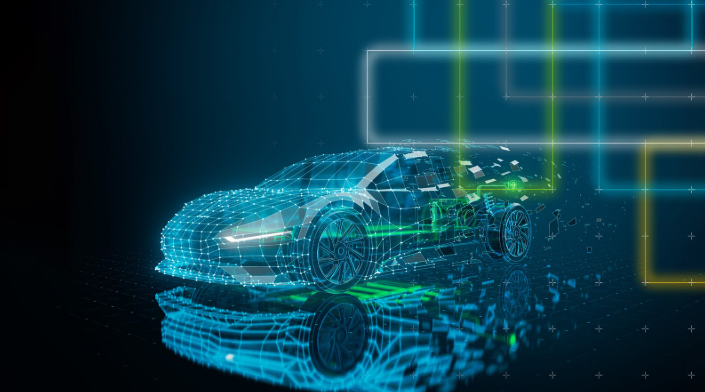
Automotive Technology:
Automotive technology is changing the way people drive, travel, and maintain their vehicles. Modern cars are no longer just machines with engines and wheels. They now include smart computers, advanced safety systems, electric power, and internet connectivity. These improvements make driving safer, more comfortable, and more efficient.
Today, automotive technology is used in almost every type of vehicle, including cars, trucks, buses, and motorcycles. Manufacturers continue to develop new features that improve fuel efficiency, reduce pollution, and make transportation easier for everyone.
In this article, you will learn what automotive technology is, how it works, its benefits, the latest trends, and why it is important for the future of transportation.
What Is Automotive Technology?
Automotive technology is the use of modern engineering, electronics, software, and mechanical systems to design, build, and improve vehicles. It includes everything from powerful engines to smart sensors that help drivers stay safe on the road.
Years ago, vehicles relied mostly on Automotive technology mechanical parts. Today, many functions are controlled by computers that monitor the engine, brakes, steering, and other important systems.
As technology continues to Automotive technology improve, vehicles become smarter, cleaner, and more reliable.
Main Types of Automotive Technology
Modern vehicles use many different Automotive technology technologies. Some of the most common include:
1. Electric Vehicle Technology
Electric vehicles (EVs) use electric motors instead of traditional gasoline or diesel engines. They are powered by rechargeable batteries and produce no tailpipe emissions.
Electric vehicles are becoming more Automotive technology popular because they help reduce air pollution and lower fuel costs.
2. Hybrid Technology
Hybrid vehicles combine a gasoline engine with an electric motor. This system improves fuel efficiency and reduces emissions compared to traditional vehicles.
Many drivers choose hybrid cars because Automotive technology they offer a balance between performance and fuel savings.
3. Driver Assistance Systems
Many modern vehicles include advanced driver assistance features such as:
- Automatic emergency braking
- Lane departure warning
- Adaptive cruise control
- Blind spot monitoring
- Parking assistance
These systems help drivers avoid accidents and improve road safety.
4. Connected Car Technology
Connected vehicles can communicate with Automotive technology smartphones and online services. Drivers can use navigation, traffic updates, remote vehicle control, and entertainment systems through internet connections.
Some vehicles even allow owners to lock, unlock, or start the car using a mobile app.
5. Engine Management Systems
Modern engines use electronic Automotive technology control units (ECUs) to monitor performance. These systems improve fuel efficiency, reduce emissions, and help detect mechanical problems before they become serious.
Benefits of Automotive Technology
Automotive technology offers many advantages for drivers and passengers.
Improved Safety
Modern vehicles include airbags, anti-lock braking systems, electronic stability control, and driver Automotive technology assistance features that help reduce accidents.
Better Fuel Efficiency
Advanced engine technology allows vehicles to travel longer distances while using less fuel. This saves money and helps protect the environment.
Lower Emissions
Electric and hybrid vehicles produce fewer harmful emissions, improving air quality and reducing environmental impact.
Greater Comfort
Today’s vehicles offer comfortable Automotive technology seating, climate control, touchscreen displays, voice commands, and advanced entertainment systems that improve the driving experience.
Easier Maintenance
Many vehicles can detect problems Automotive technology early through onboard diagnostic systems. This helps mechanics repair issues before they become expensive.
The Role of Computers in Automotive Technology
Computers play an important role Automotive technology in today’s vehicles. They control many systems, including:
- Engine performance
- Fuel injection
- Transmission
- Airbags
- Braking systems
- Climate control
- Navigation
- Entertainment
- ALSO READ;https://weblibrarys.com/vanguard-information-technology-etf/
These computer systems improve Automotive technology vehicle performance while making driving easier and safer.
New Trends in Automotive Technology
The automotive industry continues to develop exciting innovations.
Self-Driving Vehicles
Researchers are working on Automotive technology autonomous vehicles that can drive with little or no human assistance. Although fully self-driving cars are still developing, many vehicles already include partial self-driving features.
Artificial Intelligence
Artificial intelligence helps vehicles Automotive technology recognize road signs, detect obstacles, and improve navigation.
Smart Charging
Electric vehicles now support faster charging systems, making long-distance travel more practical.
Sustainable Manufacturing
Many manufacturers use recycled Automotive technology materials and cleaner production methods to reduce environmental impact.
Careers in Automotive Technology
Automotive technology creates many career opportunities.
Some popular jobs include:
- Automotive technician
- Electric vehicle technician
- Auto electrician
- Diagnostic specialist
- Service advisor
- Mechanical engineer
- Automotive software engineer
- Vehicle design engineer
As vehicles become more advanced, skilled Automotive technology workers with knowledge of electronics and computer systems are in greater demand.
Skills Needed in Automotive Technology
People working in automotive technology often need skills such as:
- Mechanical knowledge
- Problem-solving
- Computer diagnostics
- Electrical system repair
- Attention to detail
- Communication skills
- Safety awareness
Continuous learning is important because automotive technology changes quickly.
Why Automotive Technology Is Important
Automotive technology helps improve transportation around the world. It makes vehicles safer, cleaner, and more efficient. It also supports economic growth by creating jobs and encouraging innovation.
As governments and manufacturers focus on reducing pollution, automotive technology will continue to play a major role in building a more sustainable future.
Conclusion
Automotive technology has transformed the way vehicles are built and used. From electric cars and hybrid engines to smart safety systems and connected features, modern technology has made driving more enjoyable and secure.
The future of automotive technology looks promising with continued advances in electric vehicles, artificial intelligence, and self-driving systems. Whether you are a driver, student, or someone interested in the automotive industry, understanding automotive technology helps you appreciate how modern vehicles continue to improve everyday transportation.
Frequently Asked Questions (FAQs)
- What is automotive technology?
Automotive technology is the use of engineering, electronics, software, and mechanical systems to design, build, repair, and improve vehicles.
- Why is automotive technology important?
It improves vehicle safety, fuel efficiency, comfort, performance, and environmental sustainability.
- What are electric vehicles?
Electric vehicles use rechargeable Automotive technology batteries and electric motors instead of traditional gasoline or diesel engines.
- What is a hybrid vehicle?
A hybrid vehicle combines a gasoline engine with an electric motor to improve fuel economy and reduce emissions.
- What are driver assistance systems?
These are safety features such as lane departure warning, automatic emergency braking, and adaptive cruise control that help drivers avoid accidents.
- Does automotive technology create job opportunities?
Yes. It offers careers in vehicle repair, engineering, software development, diagnostics, electric vehicle maintenance, and manufacturing.
- How do computers help modern vehicles?
Computers control engine Automotive technology performance, braking, fuel systems, airbags, navigation, and many other important vehicle functions.
- What is the future of automotive technology?
The future includes more electric vehicles, smarter safety systems, faster charging, connected cars, and advances in self-driving technology.