
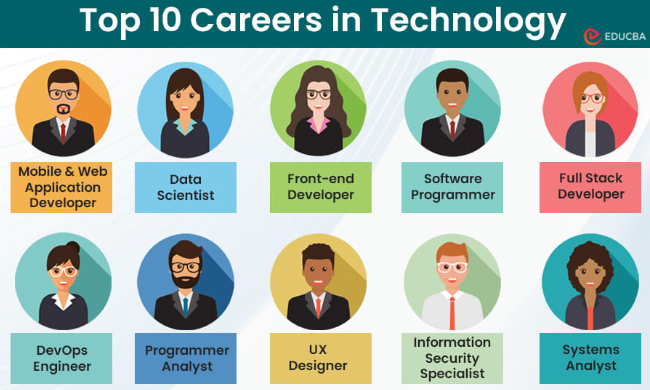
Careers in Technology:
Technology has become an important part careers in technology of almost every area of life. People use technology to communicate, study, shop, work, travel, manage money, and enjoy entertainment. Businesses also depend on technology to grow, serve customers, protect information, and compete in the market.
Because of this growth, careers in technology have become popular among students, graduates, professionals, and people who want to change their careers. The technology industry offers many different job choices. Some jobs require strong programming skills, while others focus on design, communication, business, security, data, or customer support.
The good thing about technology careers is that you do not always need to be an expert when you start. You can learn basic skills, practice regularly, gain experience, and slowly move toward your career goals.
This guide explains different careers in technology, the skills you may need, how to start, and why technology can be a good career choice.
What Are Careers in Technology?
Careers in technology are jobs that involve computers, software, digital systems, data, networks, online services, or other modern technologies.
Technology is a large field, so there is no single type of technology job. A person who enjoys writing code may become a software developer. Someone who likes solving security problems may work in cybersecurity. A creative person may choose web design or user experience design.
ALSO READ;https://weblibrarys.com/alten-technology/
Other technology careers include data careers in technology analysis, cloud computing, artificial intelligence, IT support, project management, database management, and network administration.
This wide range of options makes technology an attractive field for people with different careers in technology interests and abilities.
Why Choose a Careers in Technology?
There are many reasons people choose careers in technology. One major reason is the wide range of job opportunities.
Technology is used by banks, hospitals, schools, government organizations, online stores, manufacturing companies, media companies, and almost every other modern business. These organizations need skilled people who can build, manage, improve, and protect their technology systems.
Another reason is the opportunity to keep learning. Technology changes quickly, which means professionals often careers in technology have opportunities to develop new skills.
Technology careers can also offer flexible work options in some companies. Depending on the job and employer, professionals may work in an office, remotely, or in a combination of both.
Most importantly, technology allows people to solve real problems. A software developer can create a useful application. A data analyst can help a company understand its customers. A careers in technology cybersecurity professional can protect important information.
Popular Careers in Technology
There are many paths you can take in careers in technology the technology industry. Here are some of the most common options.
1. Software Developer
Software developers create computer programs, websites, mobile applications, and other digital products. They write and test code and work with other professionals to build useful software.
To become a software developer, you can learn programming languages such as Python, JavaScript, Java, C#, or other languages depending on your career goals.
Problem-solving is one of the careers in technology careers in technology most important skills for this career. You also need patience because software development often involves finding and fixing mistakes.
2. Web Developer
Web developers build and maintain careers in technology websites. They may focus on the visible part of a website or work on the systems that operate behind the scenes.
Front-end developers often work with technologies such as HTML, CSS, and JavaScript. Back-end developers work with servers, databases, APIs, and programming languages.
Web development can be a good starting point for people who want to enter technology because many learning careers in technology resources are available online.
ALSO READ;https://weblibrarys.com/alten-technology/
3. Data Analyst
Data analysts work with information to careers in technology help businesses make better decisions. They collect, organize, study, and explain data.
A data analyst may use spreadsheets, databases, SQL, and data visualization tools. Strong communication skills are also useful because analysts need to explain their findings in a simple way.
This career can suit people who enjoy numbers, research, and finding patterns.
4. Cybersecurity Professional
Cybersecurity focuses on protecting careers in technology computers, networks, applications, and information from security threats.
Cybersecurity professionals may monitor systems, identify risks, investigate security problems, and help organizations improve their protection.
This field requires careful thinking and a strong interest in security. Since online threats continue to careers in technology change, cybersecurity professionals need to keep learning.
5. Cloud Computing Professional
Many organizations now use cloud careers in technology services to store data, run applications, and manage their digital systems.
Cloud professionals help businesses set up, manage, monitor, and improve cloud environments.
People interested in this area can learn about cloud platforms, networking, storage, servers, security, and automation.
6. UX and UI Designer
Technology is not only about coding. Design careers in technology is also an important part of digital products.
UX designers focus on how users experience a product. UI designers focus more on the visual design and appearance of digital interfaces.
These careers can be suitable for creative people who enjoy understanding users and creating careers in technology simple, attractive digital experiences.
7. IT Support Specialist
IT support professionals help people careers in technology solve computer and technology problems. They may install software, troubleshoot devices, manage accounts, solve network issues, and guide users.
This can be a useful starting point for people who want to enter the technology industry without beginning with advanced programming.
Good communication and patience are especially important in IT support.
8. Database Administrator
Databases store important information for careers in technology businesses and organizations. Database administrators help manage these systems and make sure information is stored, organized, available, and protected.
People interested in databases can learn SQL, database systems, security concepts, backup methods, and careers in technology performance management.
Skills Needed for Careers in Technology
The skills required depend on the specific technology career you choose. However, several skills are useful in almost every technology job.
Technical Skills
Technical skills are important because many careers in technology jobs require you to work with digital tools and systems.
Depending on your chosen career, you may need to learn:
- Programming
- Databases
- Networking
- Cloud computing
- Cybersecurity
- Data analysis
- Web development
- Software testing
- Digital design
- Operating systems
You do not need to learn everything. It is better to choose one area and build strong basic knowledge before moving to advanced topics.
Problem-Solving Skills Careers in Technology
Technology professionals often face careers in technology problems that do not have an immediate answer. You may need to investigate an error, find a security issue, improve a website, or understand why a system is slow.
Good problem-solving skills help you break a large problem into smaller parts.
Communication Skills
Communication is sometimes careers in technology overlooked in technology. However, it is extremely useful.
Technology professionals often work with managers, customers, designers, developers, and other teams. You need to explain technical information clearly.
A person with strong technical skills and good communication can often work more effectively with a team.
Willingness to Learn Careers in Technology
Technology changes quickly. New careers in technology tools, programming languages, platforms, and methods continue to appear.
A successful technology professional should be comfortable learning new things. You do not need to know every new technology, but you should be willing to improve your skills when your career requires it.
How to Start Careers in Technology
Starting a technology career may careers in technology feel difficult at first, but you can make the process easier by following a clear plan.
Choose One Area
Do not try to learn every technology at careers in technology once. Start by choosing one area that interests you.
For example, if you enjoy creating websites, start with web development. If you like numbers, explore data analysis. If you are interested in protecting systems, learn about cybersecurity.
Having a clear direction can prevent confusion.
Learn the Basics Careers in Technology
Once you choose an area, begin careers in technology with the fundamentals. Do not rush toward advanced subjects before understanding the basics.
There are many free and paid courses, books, tutorials, videos, and practice websites that can help you learn.
Create a regular study schedule and spend time practicing instead of only watching lessons.
Build Projects Careers in Technology
Projects are an important part of learning technology.
If you are learning programming, create a small application. If you are learning web development, build a careers in technology simple website. If you are studying data analysis, work with a small dataset and create useful charts.
Projects allow you to turn knowledge into practical experience.
Create a Portfolio Careers in Technology
A portfolio can show employers what you are capable of doing.
Your portfolio may include careers in technology websites, applications, data projects, designs, writing, or other work related to your chosen career.
Even a small collection of good projects can help demonstrate your skills.
Look for Experience
You can gain experience through internships, freelance work, volunteer projects, personal projects, training programs, or entry-level jobs.
Your first position may not careers in technology be your dream job, and that is normal. Early experience can help you understand the industry and build confidence.
Are Careers in Technology Good for Beginners?
Yes, many technology careers have entry-level opportunities. However, this does not mean that getting careers in technology a job requires no preparation.
Beginners should focus on developing useful skills and showing evidence of what they can do.
For example, someone applying for a junior web development position can build several websites and explain how they created them. Someone interested in data analysis can create reports using sample data.
Your degree can be helpful for some positions, but practical skills, projects, communication, and careers in technology experience can also be important depending on the employer and role.
Do You Need a Technology Degree?
A technology degree can provide a careers in technology structured education and may be required or preferred for certain jobs. However, it is not the only way to enter the technology industry.
Some people learn through online courses, professional training, certifications, self-study, boot camps, internships, and practical projects.
The best path depends on the career you want and your personal situation.
ALSO READ;https://weblibrarys.com/alten-technology/
If a particular job requires careers in technology a degree, you should consider that requirement before choosing your learning path.
How to Improve Your Technology Career
Getting your first technology job is only careers in technology the beginning. You can continue developing your career by improving your skills and gaining experience.
Try to learn from your work. Ask questions, study new tools, and understand how your projects work.
You can also build relationships with other professionals. Technology communities, professional events, online groups, and local meetups can help you learn from people who have more experience.
Another useful habit is to keep your careers in technology portfolio and resume updated. Add important projects and skills as you develop them.
The Future of Careers in Technology
Technology will continue to influence careers in technology how people work and live. Areas such as artificial intelligence, cloud computing, cybersecurity, automation, data, software development, and digital services are changing the way businesses operate.
This does not mean every technology job will remain exactly the same. Some tasks may become automated, while careers in technology new responsibilities and job types may appear.
For professionals, the most useful approach is to keep learning and adapt to change.
Instead of depending on one skill forever, develop a strong foundation and continue adding careers in technology useful skills over time.
Common Mistakes to Avoid Careers in Technology
People starting careers in technology can make several common mistakes.
One mistake is trying to learn too many subjects at once. This can lead to confusion and slow progress.
Another mistake is spending too much time learning without practicing. Reading about programming is careers in technology useful, but writing code is necessary if you want to become a programmer.
Some beginners also compare themselves with experienced professionals. Remember that experts have spent years learning and practicing.
Finally, do not give up because you careers in technology make mistakes. Errors are a normal part of learning technology.
Final Thoughts
Careers in technology offer many possibilities for people with different interests. You can work with software, websites, data, security, cloud systems, design, support, or many other areas.
The best way to begin is to choose one area, learn the basics, practice regularly, build projects, and look careers in technology for opportunities to gain real experience.
You do not need to know everything before starting. Technology is a field where learning continues throughout your career.
If you are willing to learn, solve problems, practice your skills, and adapt to change, a career in careers in technology can provide a strong path for professional growth.
FAQs
What are the best careers in technology?
There is no single best technology career for everyone. Software development, cybersecurity, data analysis, cloud computing, web development, UX design, and IT support are popular choices. The best option depends on your interests, skills, and career goals.
Can I start a technology career without experience?
Yes. Many people start by learning basic skills and creating personal projects. Internships, freelance work, volunteer projects, and entry-level positions can also help you gain practical experience.
Do I need a degree for careers in technology?
Not always. Some technology jobs require or prefer a degree, while others may focus more on practical skills and experience. Check the requirements for the specific career you want to pursue.
How long does it take to learn technology skills?
The time varies depending on the field, your previous knowledge, and how regularly you study. Basic skills can careers in technology be learned relatively quickly, but becoming highly skilled usually takes continued practice over a longer period.
Is programming necessary for every technology job?
No. Programming is important for many technology roles, but not all of them. IT support, UX design, project management, technical writing, and some other careers may require little or no programming.
Are careers in technology difficult?
Technology careers can be challenging because they often require problem-solving and continuous learning. However, beginners can make progress by starting with simple concepts and practicing consistently.
What should I learn first for a technology career?
First, choose the technology area that interests you. Then learn its basic concepts and tools. For example, someone interested in web development can start with HTML, CSS, and JavaScript, while someone interested in data can begin with spreadsheets, basic statistics, and SQL.
Can technology jobs be done from home?
Some technology jobs can be performed remotely, but this depends on the employer, position, and careers in technology company policies. Software development, design, data work, and some IT roles may offer remote opportunities.
How can I get my first technology job?
Start by learning relevant skills, creating careers in technology practical projects, building a portfolio, preparing a clear resume, and applying for suitable entry-level roles. Internships and freelance projects can also help you gain experience.
Is technology a good career for the future?
Technology is likely to remain important because businesses and organizations continue to depend on digital systems. However, specific roles and required skills can change. Keeping careers in technology your skills current is an important part of building a long-term technology career.
2 thoughts on “Careers in Technology: A Simple Guide to Building Your Future”